Devi Bhimchandi Mandir
A powerful Shakti shrine, the second traditional night halt of Kashi’s Panchakroshi pilgrimage and the centre of a sacred landscape that includes Gandharva Sagar, Shiva shrines and historic pilgrim rest houses.

Spiritual importance of Devi Bhimchandi
The word Chandi evokes the forceful, protective and victorious power of the Divine Mother. At Bhimchandi, this power is remembered as bhima—mighty, formidable and capable of overcoming danger. Pilgrims pray for courage, protection, health and the strength to complete the demanding sacred circuit around Kashi.
Bhimchandi is not an isolated destination added to the route for convenience. It is one of the places through which the Panchakroshi Yatra defines the sacred territory of Kashi. The journey links Shiva, Shakti, Ganesha, sacred tanks, wells and numerous subsidiary shrines into a single act of circumambulation.
Her position after Kardameshwar is especially meaningful: the pilgrim moves from the memory of Sage Kardama and Shiva to the protection of the Goddess before continuing towards Rameshwar.
The sacred complex and its traditions
Heritage accounts describe Bhimchandi as a sacred cluster rather than only one sanctum. The first major point is Gandharva Sagar, a planned holy tank with steps. Many pilgrims touch its water as an act of ritual purification. On the southern side is the shrine of Gandheshwar Shiva. The main Bhimchandi compound lies a short distance away.
One local tradition regards Bhimchandi as a maiden form of the Goddess and therefore avoids offering vermilion directly to her image. Traditions can vary by priestly lineage and time; visitors should follow the instructions given at the temple.
Accounts of the inner sacred space also mention a ten-headed Kali image and other divine images associated with the route. These details express Bhimchandi’s identity as fierce, protective Shakti.
History, kund and pilgrim rest houses
The antiquity of worship at Bhimchandi belongs to the long history of Kashi’s pilgrimage landscape, but the visible buildings have been repaired, rebuilt and expanded repeatedly. It is therefore safer to understand the site as a living historic complex rather than assigning every structure to one date or patron.
The Panchakroshi halts developed dharmashalas, water structures and service spaces because thousands of pilgrims needed shelter. Local memory associates a dharmashala at Bhimchandi with Maharani Ahilyabai Holkar, whose religious and public works across Kashi are well known. However, modern heritage reporting specifically attributes restoration of the kunds at Bhimchandi and Kandwa to Rani Bhavani of Natore, Bengal. These two traditions should not be silently merged.
Recent public projects have also aimed to improve the five Panchakroshi halts through restoration of yatri facilities, water bodies, pathways, signage and public conveniences while retaining their pilgrimage role.
Mention in pilgrimage books and sacred literature
Kashi Rahasya and the Panchakroshi circuit
The five-day Panchakroshi journey is elaborated in the Kashi Rahasya, a text associated by modern scholarship with the sixteenth century. Bhimchandi appears within the remembered sequence of sacred stations that defines Kashi’s ritual boundary.
Kashi Khanda and the sacred geography of Kashi
The Kashi Khanda of the Skanda Purana is the foundational textual world for Kashi’s tirthas, deities and pilgrimage geography. Bhimchandi is best understood within this wider network of Devi shrines, Shiva lingas and sacred waters. Later route manuals, local mahatmyas and oral recitations preserve the working sequence used by pilgrims.
Chandi in the Devi tradition
The name Chandi also connects the shrine with the larger Goddess tradition celebrated in texts such as the Devi Mahatmya, where the Divine Mother defeats forces of disorder. The text explains the theological importance of Chandi as protective power; it should not automatically be treated as a construction record for this particular temple.
Important festivals and occasions
Dates follow the Hindu lunar calendar and change annually. Festival access, temple hours and procession arrangements should be confirmed locally.
How to visit Bhimchandi responsibly
- Allow: approximately 60–90 minutes for the main shrine, Gandharva Sagar and nearby sacred points.
- Best time: early morning for a calmer darshan; avoid assuming fixed opening hours without local confirmation.
- Transport: taxi, auto-rickshaw or private vehicle is practical from Varanasi. Panchakroshi pilgrims traditionally approach on foot.
- Ritual conduct: ask the priest before offering sindoor, photographing the deity or entering restricted areas.
- Kund safety: steps may be slippery. Touching the water is often preferred to bathing when water conditions are uncertain.
- Respect: do not leave plastic, food packaging or ritual waste in the temple or kund.
Pictures of Bhimchandi Mandir and the pilgrimage halt
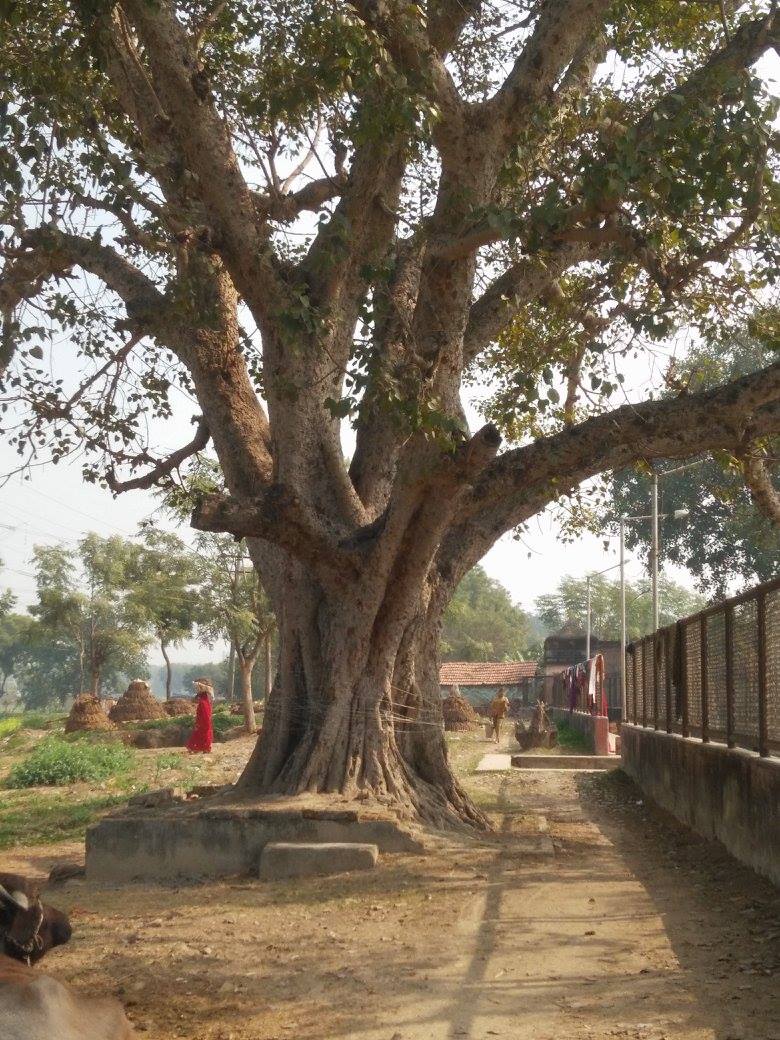
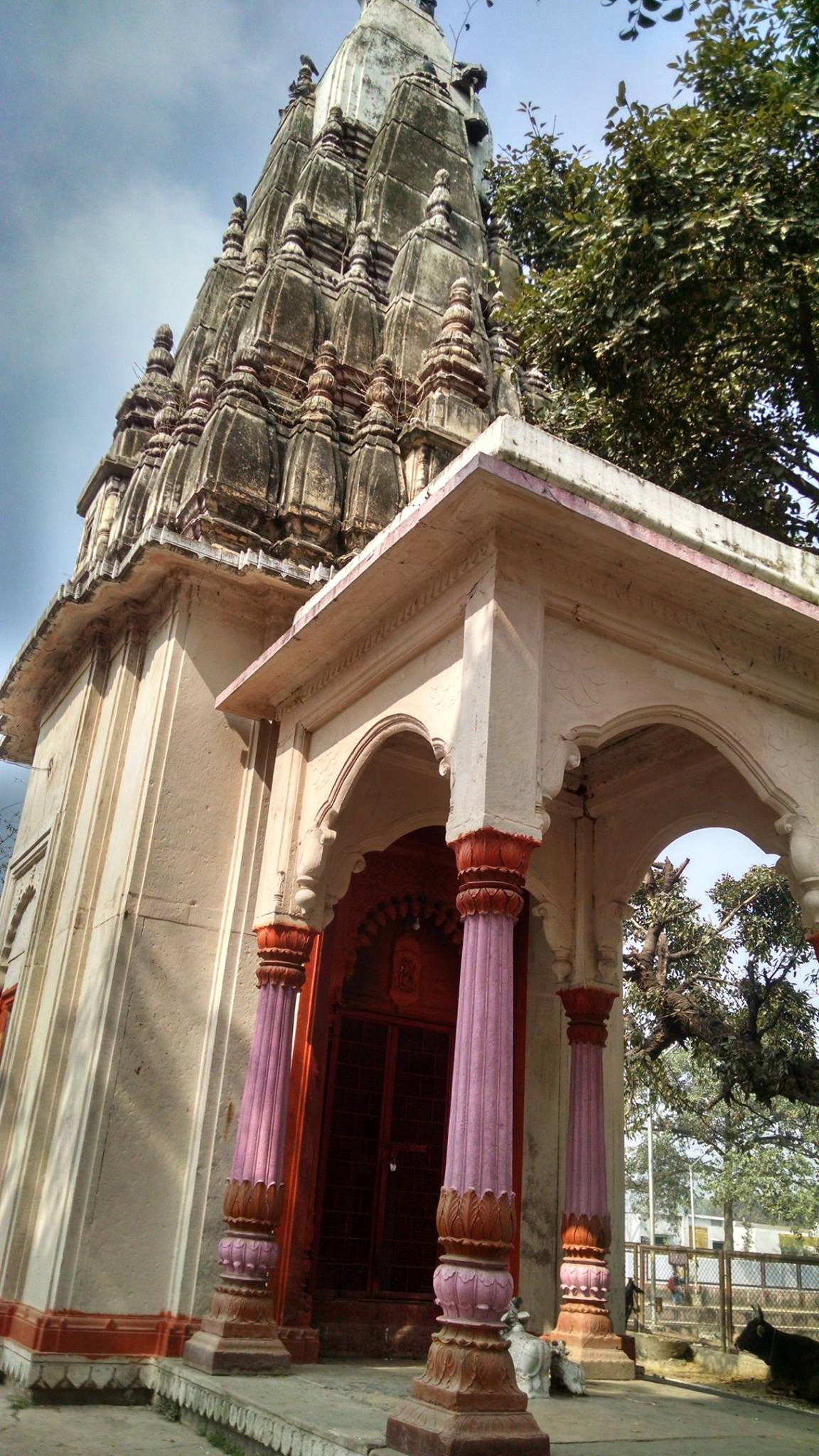
All 23 photographs supplied with the original post have been retained. Select any image to open its full-size version.






Google Maps: Devi Bhimchandi Mandir
Sources and further reading
- Cultural Heritage of Varanasi: Panchakroshi Yatra Route
- Varanasi Guru: Panchakroshi Yatra
- Report on restoration of the five Panchakroshi halts
- Kashi Rahasya, for the remembered Panchakroshi circuit; Skanda Purana, Kashi Khanda, for Kashi’s sacred geography; and Devi Mahatmya, for the wider theology of Chandi.
Religious tradition, local memory and documented patronage are identified separately. Practical details can change; confirm timings and access locally before travelling.
Join the conversation
Ask a question, share a correction, or add your local knowledge to help future visitors experience Varanasi more thoughtfully.
- Questions welcome
- Local knowledge valued
- Respectfully moderated
Write a comment0 Comments
Please comment
Comments are reviewed before publication. Please avoid sharing personal information.