Bagha Bir Baba of Naibasti
A riverside guardian shrine where the older sacred geography of Kashi survives in neighbourhood memory, vows, trees, offerings and the changing banks of the Varuna.
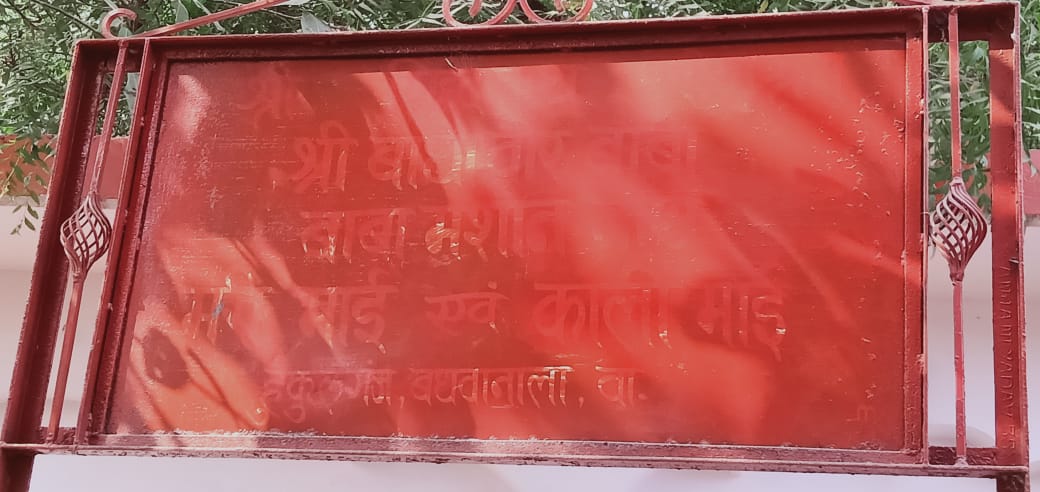
Varanasi is not sacred only through its monumental temples and famous ghats. Its lanes and old settlements are also watched over by intensely local protectors. Bagha Bir Baba Mandir, on the Varuna side of Naibasti near Pandeypur, belongs to this less advertised but deeply rooted layer of Kashi. The shrine links three histories: the living worship of a neighbourhood guardian, Pandeypur’s transformation from settlement edge to busy city, and the fragile cultural landscape of the Varuna riverbank.


Who is a Bir Baba?
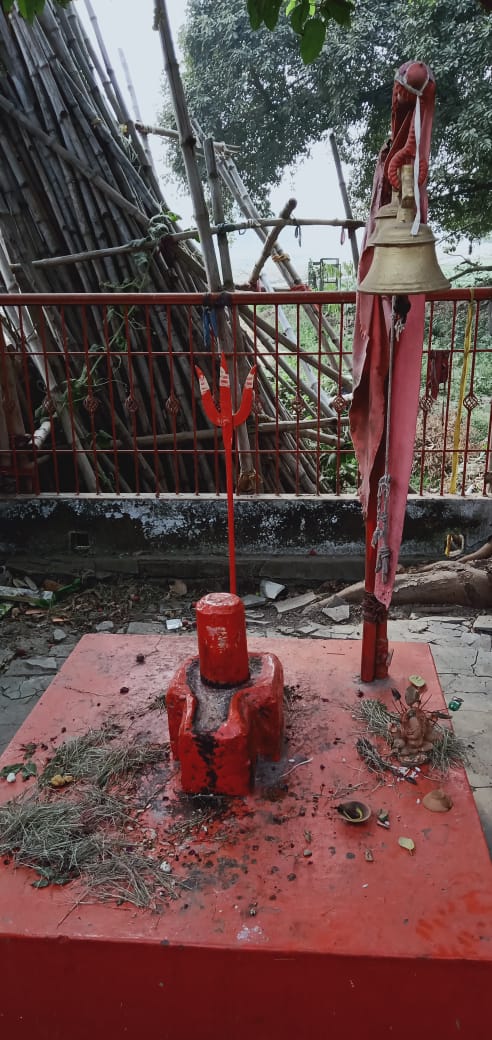
Banaras has long contained hundreds of shrines called Bir, Vir or Dih. They are neighbourhood and settlement guardians: powers approached for protection, recovery from illness, fulfilment of vows and safety at the uncertain edges of everyday life. Anthropological work in Banaras records Bir shrines as mounds, posts, small enclosures, tree-shrines, relief figures and reused sculptural fragments. The form varies; the protective relationship with the locality is the common thread.
A Bir Baba should not be reduced to “just a ghost.” Worshippers treat the Baba as a present sacred power. Some Birs are remembered as heroic or violently deceased figures; others have no surviving human biography. Over generations, the shrine, the tree, the annual decoration and the neighbourhood’s vows can matter more than a recoverable founder-story.
Bagha Bir’s place in that tradition
The Naibasti shrine can responsibly be understood comparatively within this Bir/Dih guardian network. Its local name and exact origin story, however, belong to this shrine’s own custodians. “Bagha” or “Baghwa” may invite a tiger or forest association, but spelling alone cannot prove such a legend; it might also preserve a personal name, title or older local usage.


Why the Varuna bank matters
The Varuna is one of the two rivers traditionally used to explain the name Varanasi. Long before today’s continuous urban spread, its bank marked fields, groves, water crossings, cremation grounds, settlement edges and routes into the city. Such threshold landscapes are natural settings for guardian worship—not proof of one specific origin, but an important clue to how the shrine functioned in local imagination.
Bagha Bir Baba is therefore valuable not only as a temple. It is also a point from which to read the river: changes in water level, encroachment, old paths, surviving trees and the memory of what Naibasti looked like before dense construction. Photographs of the shrine and bank become evidence of a rapidly changing sacred environment.


Worship, vows and living importance
Across Banaras, Bir Babas are commonly approached through manauti—a vow made while asking for help and fulfilled after the wish is granted. Offerings may include flowers, incense, sweets, lamps and a poured liquid offering locally called dhar. Tuesdays and Sundays are important at many Bir shrines, and an annual shringar may bring special decoration and collective worship. These are regional patterns, not a substitute for Bagha Bir’s own calendar; visitors should ask the pujari which days and offerings are appropriate here.
Questions that can recover the temple’s history
- What is the locally preferred name and spelling: Bagha, Baghwa, or another form?
- Is there a remembered Baba-story, dream, miracle, wrestler, ascetic or protector attached to the shrine?
- Was the sacred object, platform or tree once closer to the Varuna?
- Who has served the shrine, and for how many generations?
- When is the annual shringar, mela or principal community worship?
- How did floods, roads and new colonies alter the approach to the temple?
Recording these answers—with names, dates and permission—would be more valuable than imposing a polished but unsupported legend.


Bagha Bir in Kashi’s guardian network
Other Bir names survive in Varanasi’s locality names and shrines: Lahura Bir, Daitra Bir, Anjan Bir, Daitra’s neighbourhood and many smaller sites known primarily to nearby residents. They coexist with, but should not be confused with, the better-known guardianship of Kaal Bhairava. Bhairava is a major Shaiva deity and Kashi’s kotwal; a Bir Baba is normally a more local protector whose authority is bound to a neighbourhood, tree, platform, boundary or remembered event.
This layered guardian geography helps explain why a modest riverside shrine can be indispensable to residents even when it is absent from standard sightseeing lists. For travellers, the correct response is curiosity with restraint: observe the living ritual, ask before photographing worshippers and avoid treating the shrine as an abandoned antiquity.




Plan a respectful visit
- Search name: try both “Bagha Bir Baba Mandir” and “Baghwa Bir Baba Mandir, Naibasti Pandeypur.”
- Getting there: reach Pandeypur first, then confirm the final riverside lane with residents; last-mile map pins can drift.
- What to combine: follow the Varuna bank, nearby old settlements and other local guardian shrines rather than rushing through a checklist.
- Etiquette: remove footwear where indicated; ask before photographing people or a close-up of the sacred image; do not leave plastic offerings on the riverbank.
- Season: the approach and river edge may change during the monsoon. Visit in daylight and take local advice.
Map
The embedded pin is a useful starting point. Confirm the exact entrance locally before setting out.
Sources and editorial method
The interpretation of Banaras’s Bir/Dih guardian tradition is based principally on Diane M. Coccari, “Protection and Identity: Banaras’s Bir Babas as Neighborhood Guardian Deities,” in Culture and Power in Banaras (University of California Press, 1989). The location statement and photographs come from the original post supplied for this rewrite. Claims unique to Bagha Bir Baba have deliberately been limited until a dated inscription, temple record or attributed oral testimony is available.
Join the conversation
Ask a question, share a correction, or add your local knowledge to help future visitors experience Varanasi more thoughtfully.
- Questions welcome
- Local knowledge valued
- Respectfully moderated
Write a comment0 Comments
Please comment
Comments are reviewed before publication. Please avoid sharing personal information.