Kapildhara and Kapileshwar Mahadev
The final night halt of Kashi’s Panchkoshi Parikrama—a sacred landscape of Shiva, Sage Kapila, ancestral remembrance and a historic kund.
Kapildhara, near Khalispur in Varanasi, is the fifth and final principal halt of the traditional Panchkoshi Parikrama. Its sacred centre is Kapileshwar, also called Vrishabhadhvajeshwar, beside Kapildhara Kund. Pilgrims arrive after Shivpur and then complete the circle by returning to Manikarnika.
Why Kapildhara matters
Kapildhara is not merely one temple. The kund, stepped embankments, shrines, dharmashalas, sacred images and surrounding fields create a complete pilgrimage landscape. Heritage studies record images associated with Sage Kapila, Ganesha, Vyasa, Hanuman, Chandi, Sati and Daksha. Reaching this halt marks the completion of the outward sacred circuit.
History, philosophy and sacred tradition
The principal linga is known as Vrishabhadhvajeshwar and Kapileshwar, linked with Sage Kapila. Kapila is celebrated as the teacher associated with Samkhya, one of India’s classical philosophical schools. Local belief connects his meditation and Shiva worship with this place.
Heritage researchers cite the eighth-century Sanskrit work Kuttanimatam, which mentions Prince Samarabhatta worshipping here. The site and water body are also praised in sacred literature and later pilgrimage traditions. Because the surviving buildings and images belong to different periods, the complete complex should not be assigned one unverified construction date.
Mentions in books and sacred literature
Sacred features to notice
- Kapileshwar/Vrishabhadhvajeshwar: the principal Shiva linga.
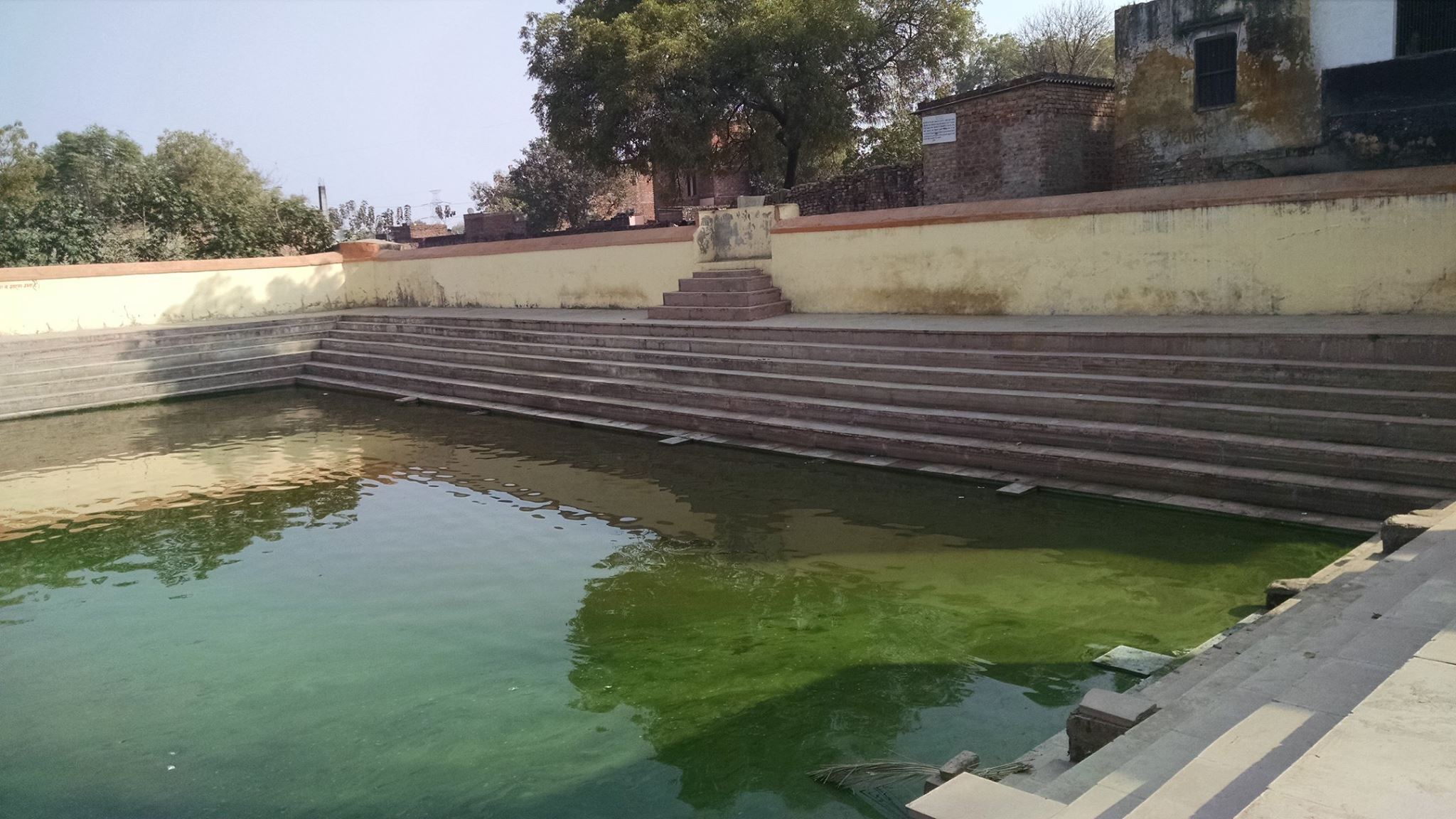
- Kapildhara Kund: the water body that gives the site its name.
- Chhappan Vinayak: a distinctive dancing Ganesha interpreted as combining 56 Vinayaka forms—eight arms and seven bends.
- Sage Kapila: recalling the association with Samkhya philosophy.
- Dharmashalas and subsidiary shrines: evidence of a longstanding major pilgrim halt.
Important festivals and occasions
- Panchkoshi Parikrama: especially important during Adhik Maas and other traditional pilgrimage seasons.
- Maha Shivaratri: when some pilgrims complete the circuit in one day.
- Shravan: an especially sacred month for Shiva worship.
- Magha–Phalguna and Chaitra–Vaishakh: customary pilgrimage periods governed by the lunar calendar.
- Amavasya and Pitru Paksha: associated generally with ancestral remembrance; arrange site-specific rites only with informed local guidance.
Planning your visit
Dress modestly, remove footwear where directed, ask before photographing worshippers or sanctums, and confirm ritual charges in advance. Opening hours can change.
Location and Google Maps
Kapileshwar Mahadev Temple is at Kapildhara, Khalispur, Varanasi.
Sources and further reading
- Cultural Heritage of Varanasi — Vrishabhadhvajeshwar Temple
- Cultural Heritage of Varanasi — Panchakroshi route
- UNESCO — Varanasi’s sacred cultural landscape
- Times of India — Panchkroshi halts and seasons
Editorial note: Living religious traditions are identified as beliefs; historical claims are limited to available published evidence.
Photo journey through Kapildhara
All 55 photographs from the original post are preserved below, including the entrance, temples, Kapildhara Kund, deities, dharmashala areas and surrounding sacred landscape.
Kapil Dhara Mandir is the last stop on the Kashi Panchkoshi Parikrama.
Its the original Mandir where Kapil Muni used to live and work. It was a very important center of Tantra and it still is.

Kapil Dhara Mandir Front Gate

Mandir at Kapil Dhara

Ganesh Ji at the Mandir Top

View of Kapil Dhara Kund from the Mandir Top

Dharamshala Quarters at Kapil Dhara

Damaged Mandir at Kapil Dhara Mandir

Mandir at Kapil Dhara

View of Kapil Dhara Kund from the Mandir Top

Mandir at the entrance of Kapil Dhara

Hanuman Ji of Kapil Dhara Mandir

Hanuman Ji at Kapil Dhara Mandir

Mandir at Kapil Dhara

View of Kapil Dhara Mandir
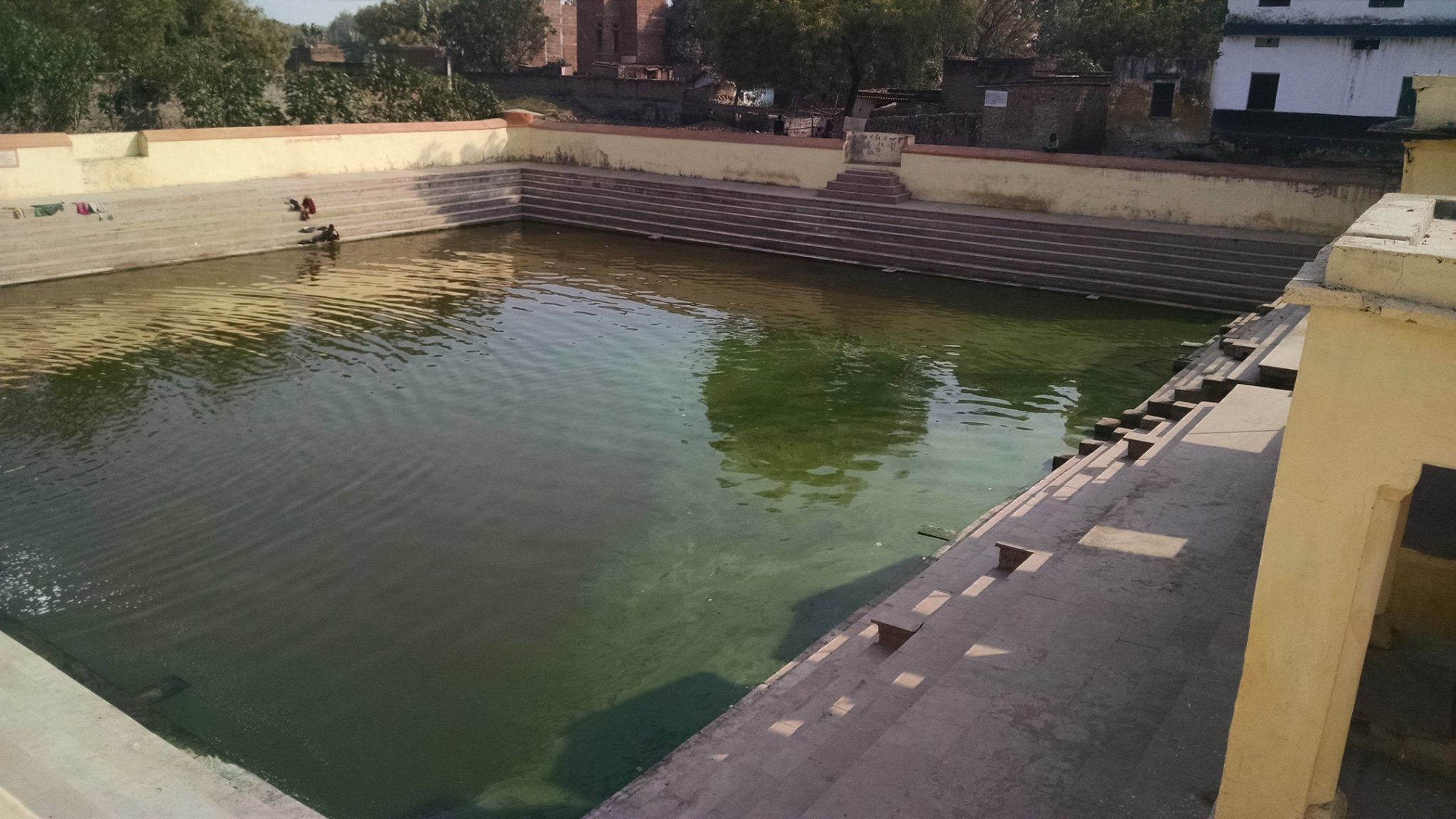
View of Kapil Dhara Kund.

View of Kapil Dhara Kund

Vyayamshala at Kapil Dhara Mandir
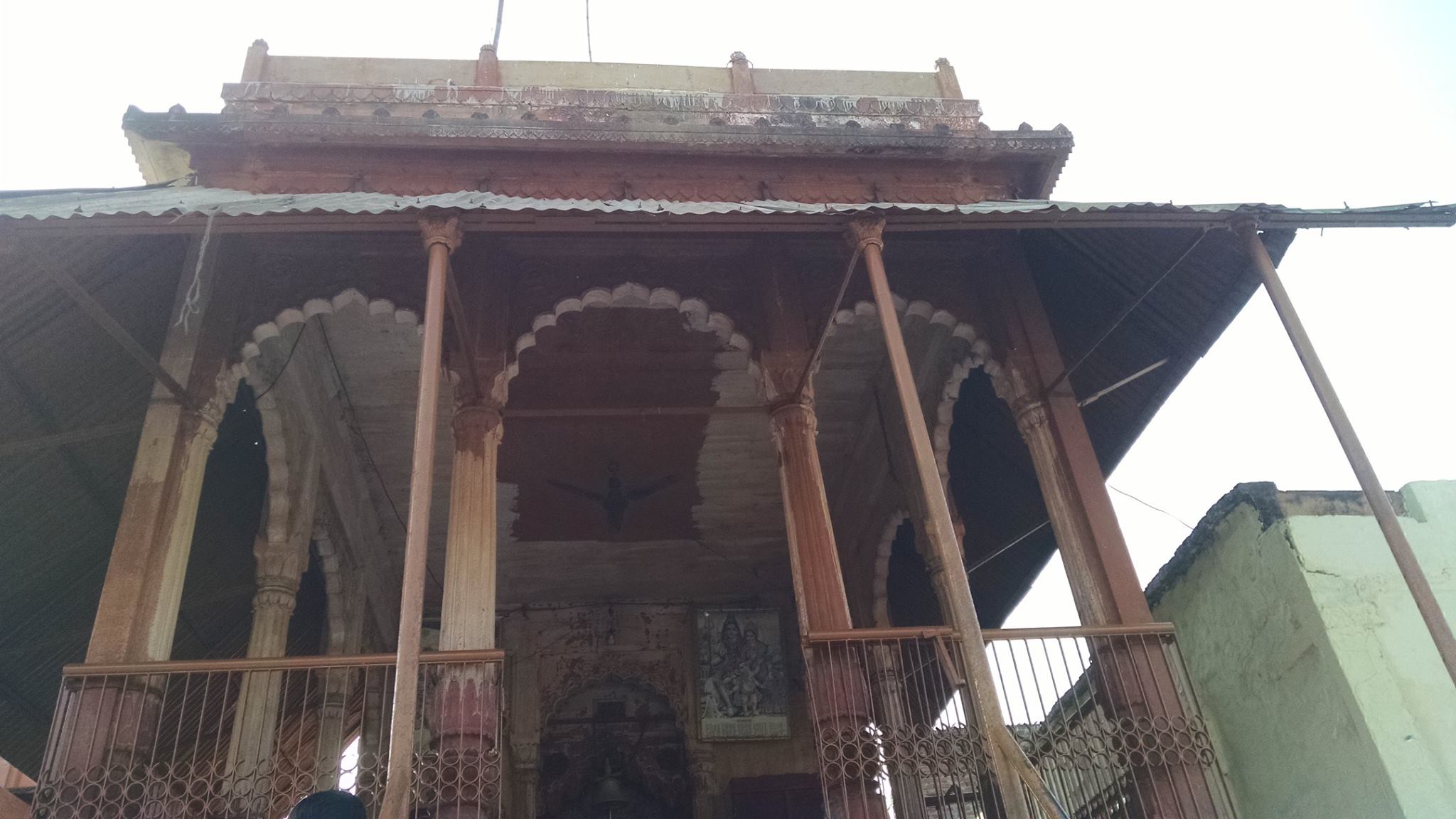
View of Kapil Dhara Mandir

Dharmashala at Kapil Dhara
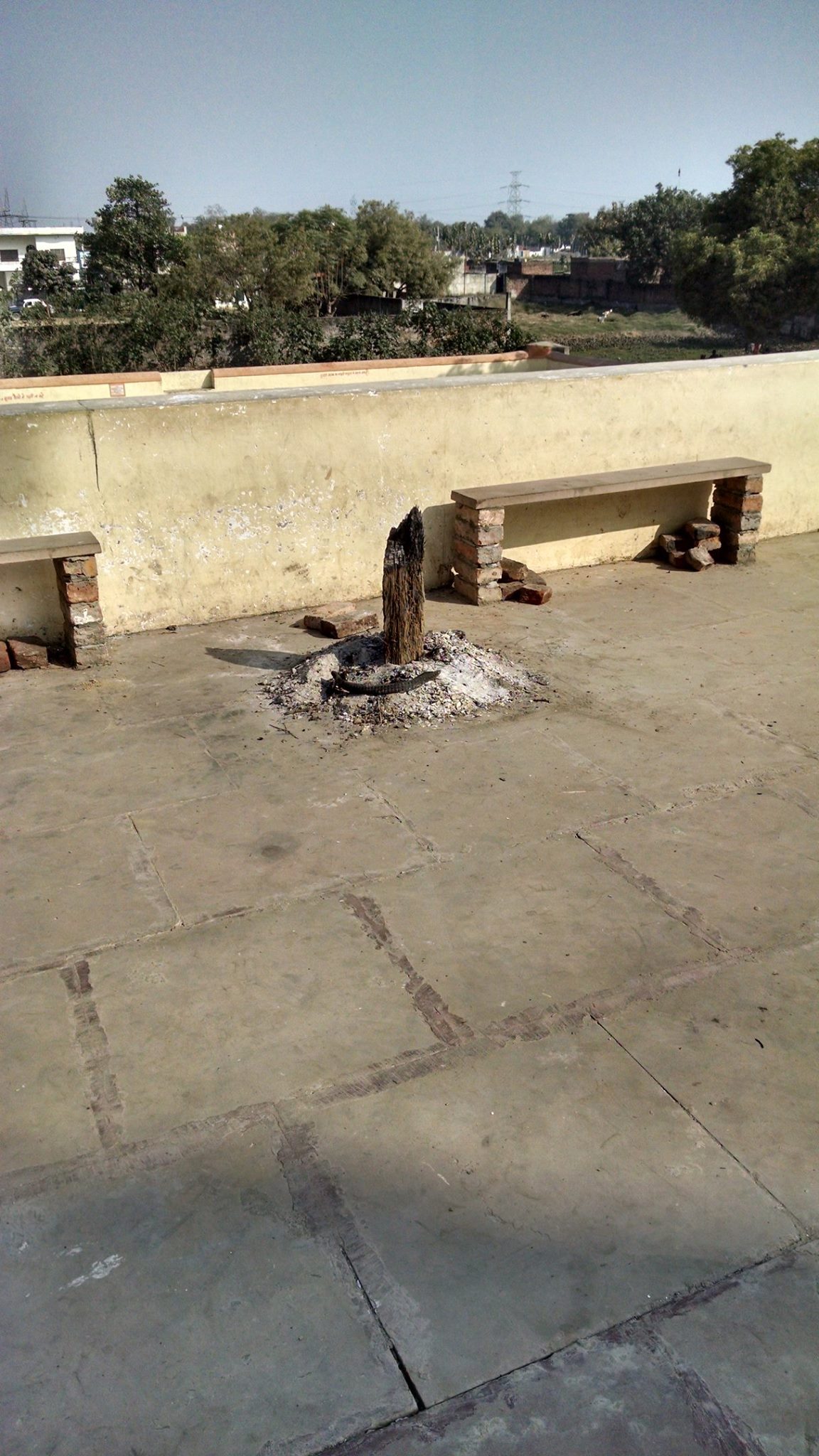
Yagya Vedi at Kapil Dhara

Mandir at Kapil Dhara

Yagya Vedi at Kapil Dhara

Kapil Dhara Mandir Garbha Griha entrance

View of Kapil Dhara Mandir


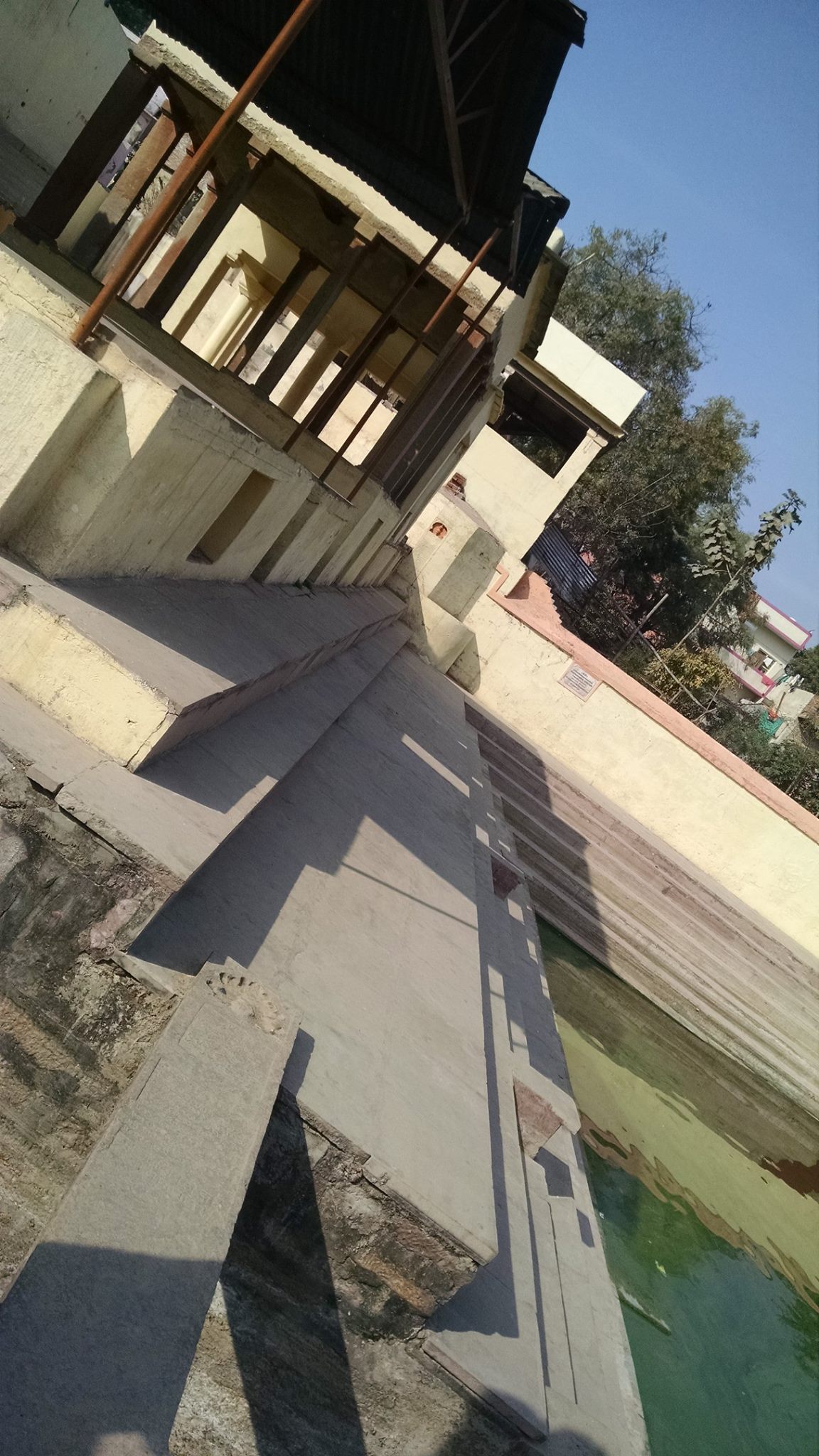




Join the conversation
Ask a question, share a correction, or add your local knowledge to help future visitors experience Varanasi more thoughtfully.
- Questions welcome
- Local knowledge valued
- Respectfully moderated
Write a comment0 Comments
Please comment
Comments are reviewed before publication. Please avoid sharing personal information.